Brent crude futures rose by $3.21, or 3.1%, to $107.82 per barrel. West Texas Intermediate crude oil also increased by $3.17, or 3.2%, trading at $103.22.
Factors Behind the Surge in Oil Prices
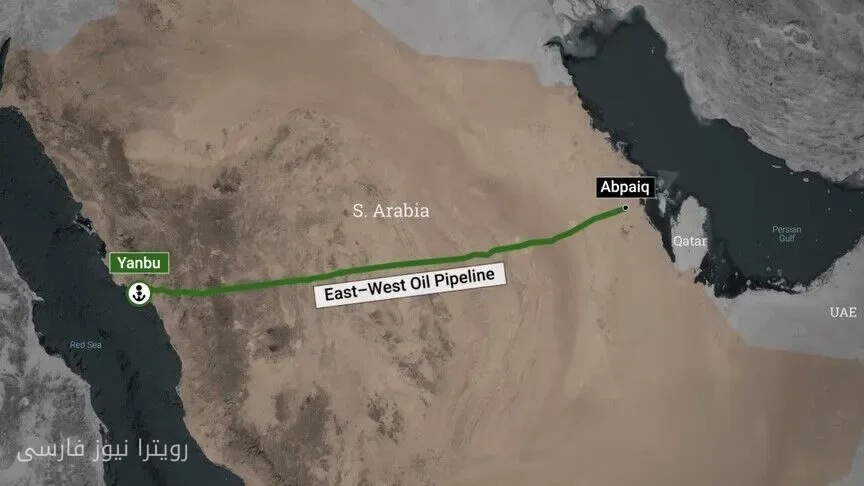
One of the most significant factors for the price surge is the drone attack on the East-West pipeline in Saudi Arabia; a strategic pipeline that transports oil produced in the eastern regions of the country to the port of Yanbu on the Red Sea coast. A prolonged halt in the operation of this pipeline could significantly impact global oil supply and exert further upward pressure on prices.
Read more: High Valuation Rates in the US Housing Market
Increased Concerns in the Strait of Hormuz
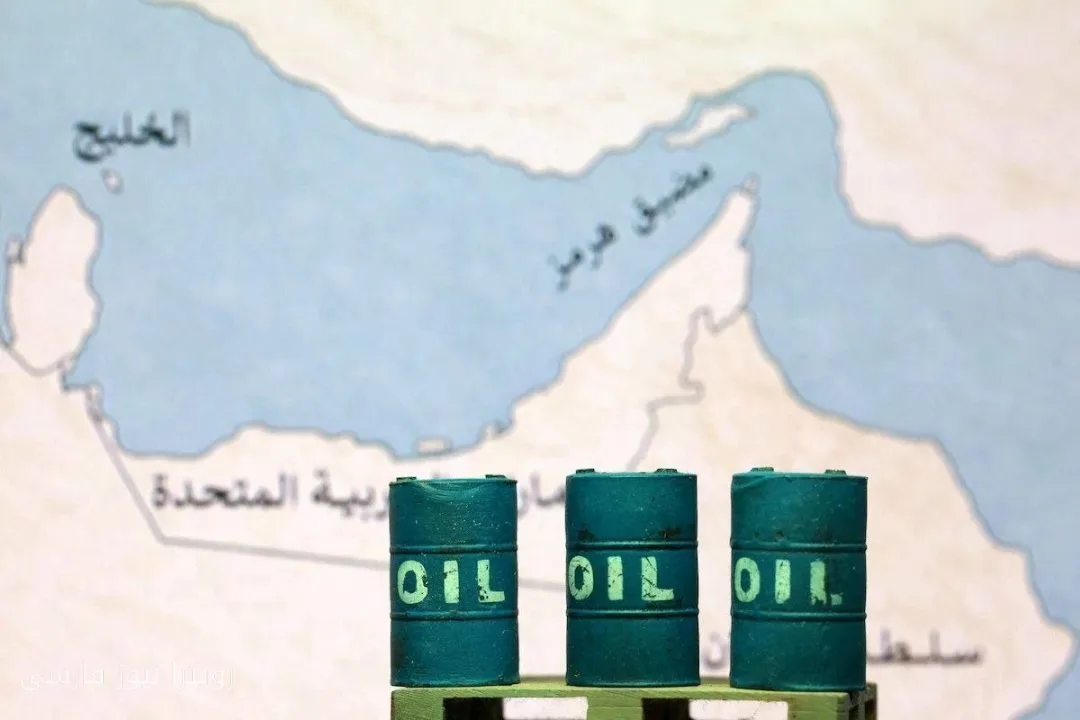
Alongside the attack on Saudi oil infrastructure, an incident involving a ship in the Strait of Hormuz has heightened traders' concerns about the security of shipping in this strategic waterway. The Strait of Hormuz is one of the world's most critical energy chokepoints, with a significant portion of global oil trade passing through it. According to reports, a ship in the area was targeted in an attack, and following a fire, its crew was evacuated.
The rise in oil prices comes at a time when the global energy market has also witnessed a significant increase in prices over the past few days. Last week, oil prices rose by about 8%, crossing the $100 per barrel mark for the first time since July. The market is now facing concerns that the simultaneous disruption of Saudi oil infrastructure and increasing uncertainty regarding the security of the Strait of Hormuz could further pressure global oil supply.
Diplomatic Challenges and Maritime Insecurity
Meanwhile, diplomatic efforts to reduce tensions in the region have also faced challenges. The Foreign Minister of Oman has announced that a planned meeting between Gulf Cooperation Council countries and Iran regarding the situation in the Strait of Hormuz has been postponed. This delay in negotiations comes at a time when energy markets are highly sensitive to any signs of de-escalation or escalation of tensions.
Overall, the global oil market enters the new trading week under conditions where the risks of supply disruption, insecurity of shipping routes, and escalating regional tensions are simultaneously affecting prices. If attacks on energy infrastructure or serious disruptions in tanker traffic through the Strait of Hormuz continue, there is a possibility of further increases in oil prices.
Read more: Satellite Images Show Damage to Saudi Oil Pipeline