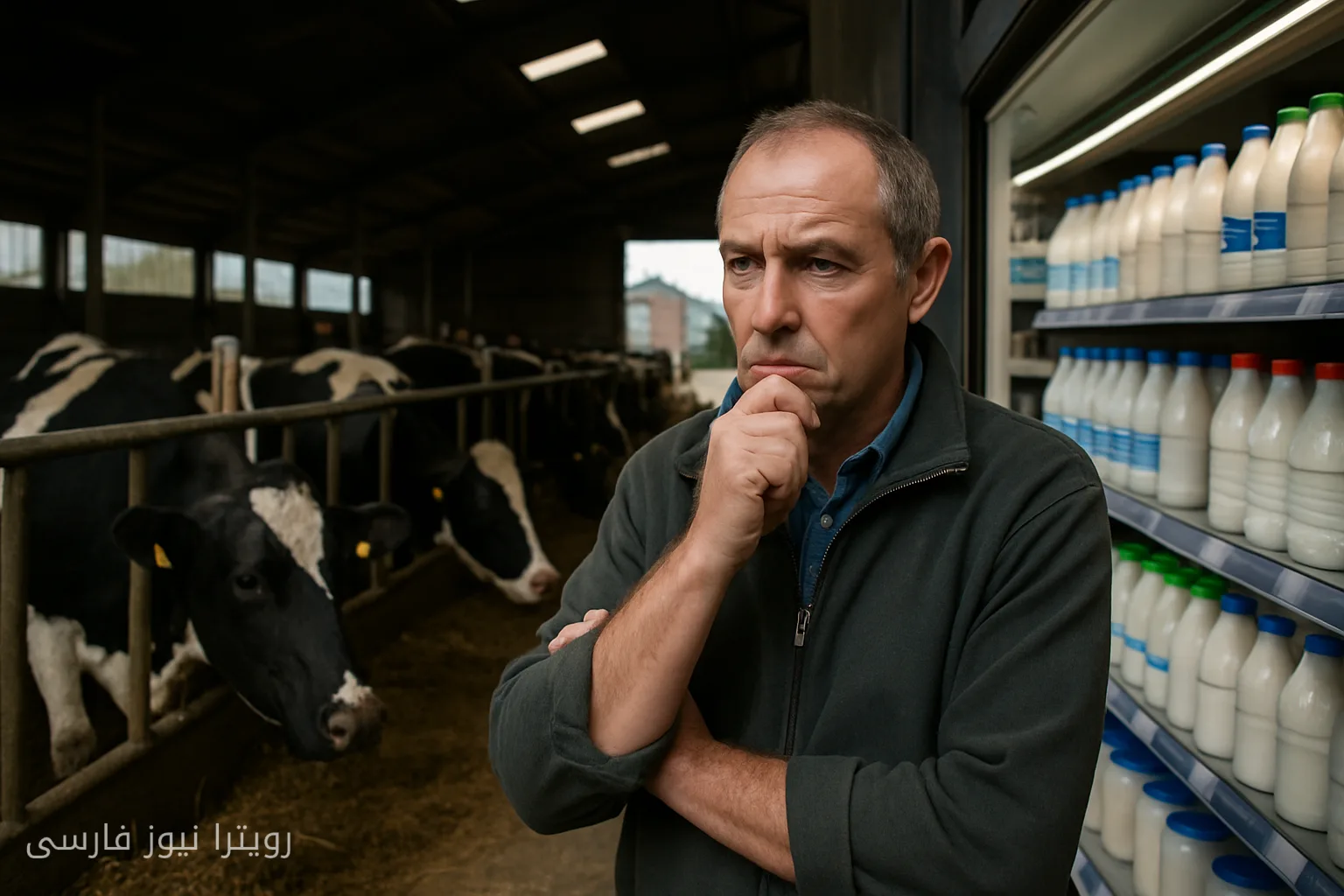
In today's world, climate change has become one of humanity's major challenges, and various industries, especially the dairy sector, are under severe pressure to reduce carbon emissions. But will these pressures truly benefit producers and consumers? Recent reports indicate that zero carbon restrictions for dairy producers could have dire consequences.
Harm to Dairy Producers
The dairy industry, as a vital part of the agricultural economy, faces new restrictions that seem to favor policymakers and environmental activists more than actual producers. These restrictions, aimed at reducing the negative impacts of climate change, in practice place even more pressure on producers. Instead of helping to strengthen producers, these policies are pushing them towards bankruptcy.
Impact on Consumers
However, it is not only producers who are harmed by these restrictions. Consumers will also be directly affected. Increased production costs mean higher prices for dairy products. In this situation, the question arises whether the primary goal of these policies is indeed to support the environment or not? In fact, these measures could threaten consumers' access to quality dairy products.
Some experts believe that these restrictions should be reconsidered and that instead of pressuring producers, the focus should be on more sustainable and logical solutions. The reality is that dairy producers also consider themselves committed to environmental protection and can take steps to reduce carbon emissions by using modern technologies and improving processes. However, they need real and meaningful support, not unreasonable restrictions that only benefit short-term policies.