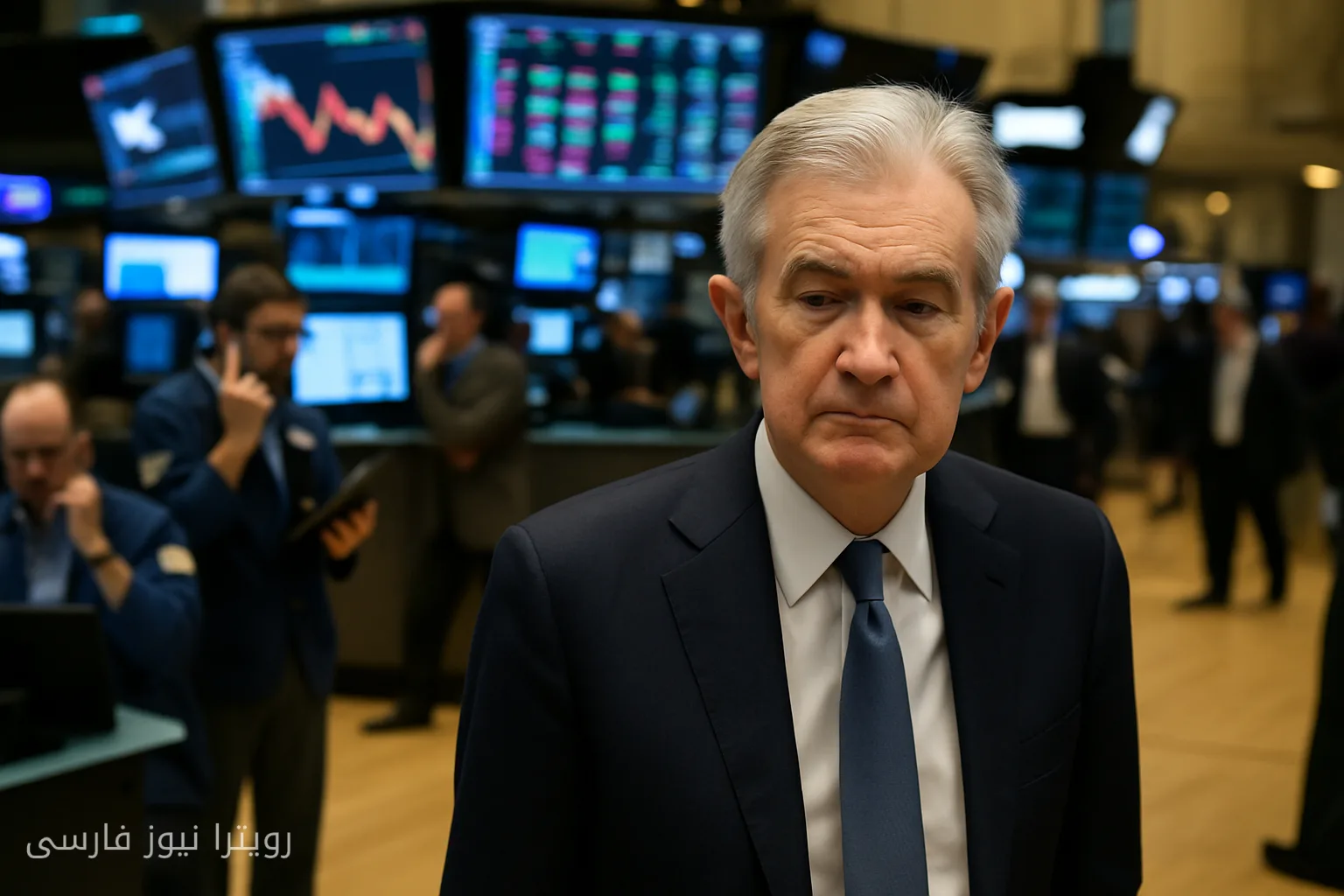
The Federal Reserve, as the main monetary policy-making body in the United States, is facing new challenges. Recent price fluctuations in financial markets and political pressure from President Donald Trump have put this institution on the verge of a difficult decision. It seems that this situation has increased the need for immediate decision-making regarding financial policies.
Price Fluctuations and Their Impact on Monetary Policies
In recent weeks, financial markets have experienced significant fluctuations, indicating economic instability. These fluctuations could influence the Federal Reserve's decisions regarding interest rates and other measures. Given that the Federal Reserve has set its goal to control inflation and maintain full employment, these fluctuations could pose a serious challenge for this institution.
Political Pressure and Market Reaction
President Donald Trump has repeatedly urged the Federal Reserve to lower interest rates to support economic growth. This political pressure can influence the Federal Reserve's decisions and also lead to market reactions. Market reactions indicate that investors are also paying attention to these pressures and are awaiting the Federal Reserve's decisions.
Given the current conditions, the Federal Reserve must choose between maintaining its independence and responding to market needs and political pressures. This decision-making could have widespread effects on the U.S. economy and global markets. In this regard, economic analysts are closely monitoring the situation and predicting the potential impacts of the Federal Reserve's decisions.
The challenges facing the Federal Reserve are not limited to price fluctuations but also include political pressures and the need to respond to market expectations. This situation may lead to fundamental changes in the monetary policies of this institution, and its consequences will directly affect the U.S. economy and global markets.