The Icelandic government is one of three countries that still allow commercial whaling in their waters. Along with Norway and Japan, Iceland may soon make significant changes to its policies in this area. In February, the country will present a bill to parliament to consider banning this practice.
Details of whaling in Iceland
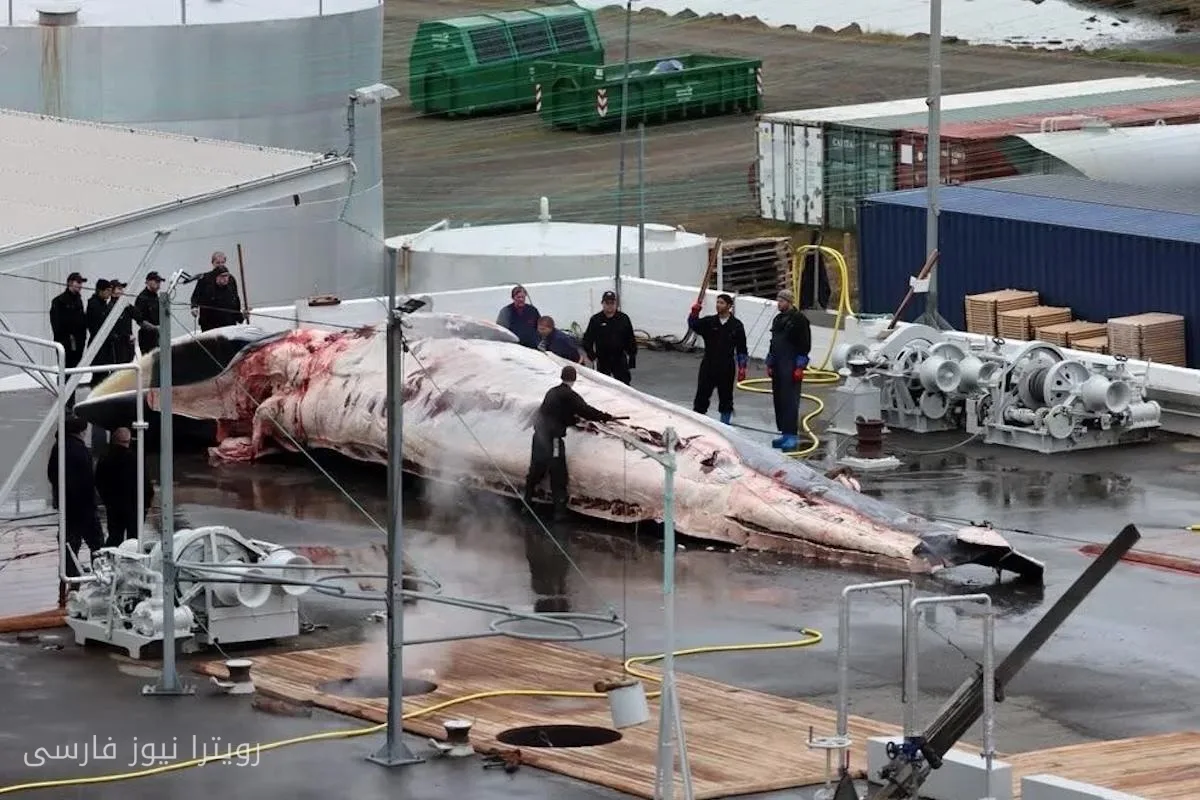
The Icelandic government has allowed its last whaling company, Hvalur, to hunt up to 134 minke whales and 150 fin whales this year. Although minke whales are currently not at risk, fin whales are recognized as a vulnerable species by the International Union for Conservation of Nature. So far this year, 80 fin whales have been hunted in Iceland, with local authorities finding that the hunted animals typically suffer greatly.
Environmental concerns and legal changes
A 2023 report published by the Icelandic Food and Veterinary Authority indicates that some of the hunted whales may suffer for up to two hours before dying. This situation has prompted the Icelandic government to consider revising whaling laws and exploring the possibility of a permanent ban on this practice. Wendy Higgins, spokesperson for the organization "World Animal Protection," stated: "This is a very important milestone in the efforts to end the cruel and unnecessary whaling in Iceland."
In the past two decades, Icelandic hunters have killed over 1,000 fin whales. According to available reports, most of the whale meat produced is not offered to the people of Iceland but to visiting tourists.
History of whaling and global response
Whaling in the early 20th century led to a severe decline in marine mammal populations worldwide, and various countries reached a global agreement to ban whaling in 1986. However, Norway resumed commercial whaling in 1993, Iceland in 2006, and Japan in 2019.
Only time will tell whether Iceland's new bill can lead to the end of this practice. Given the increasing public awareness of environmental issues and animal suffering, it seems that pressures for changes in whaling policies in this country are on the rise.