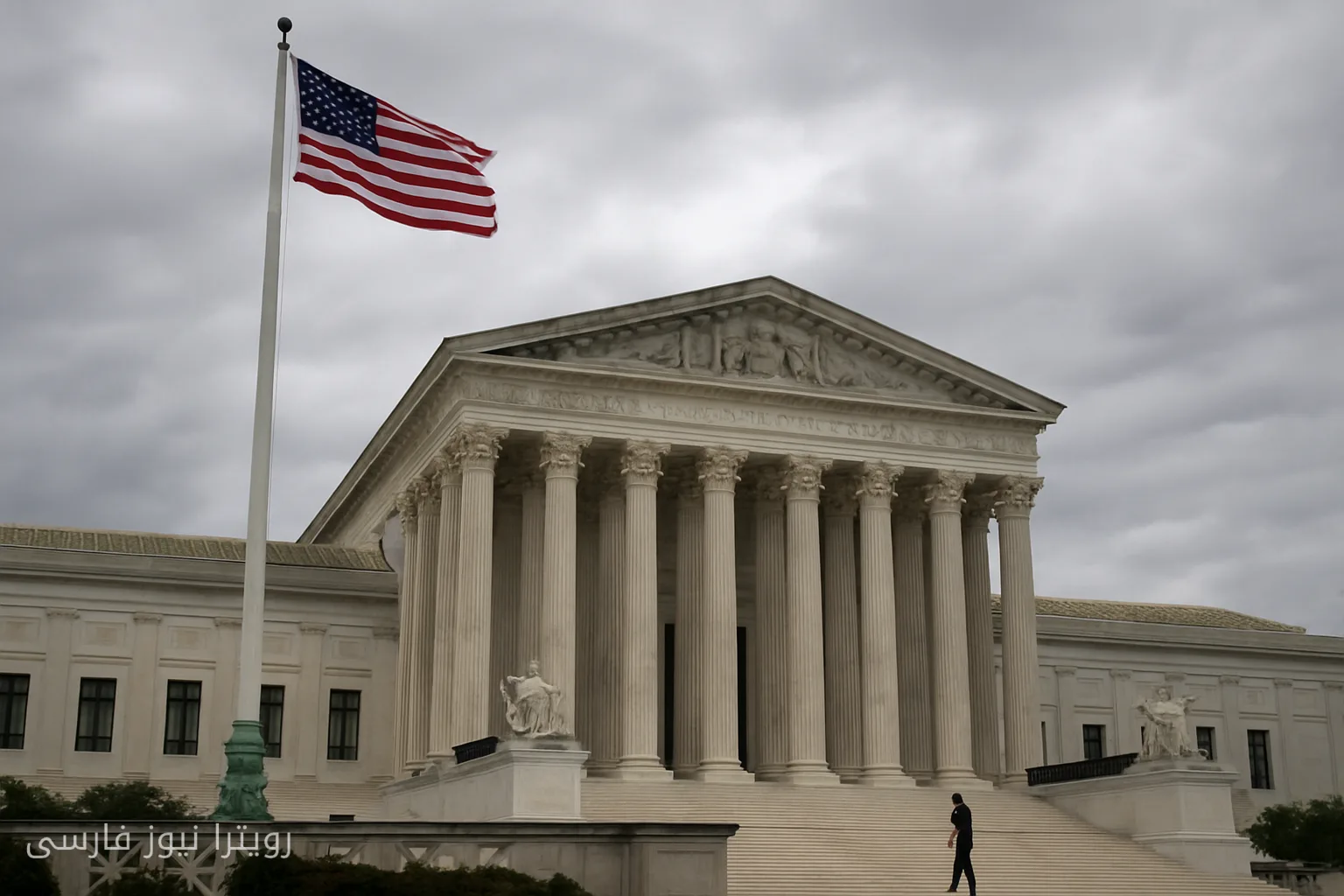
The U.S. Supreme Court, in its latest decision, rejected Donald Trump's request, the former President of the United States, to lift mail-in voting restrictions imposed by the United States Postal Service (USPS). This decision could have a significant impact on the voting process in the 2026 midterm elections.
Details of the Supreme Court's Decision
In this ruling, Justice Brett Kavanaugh stated that enforcing postal service laws in the 2026 midterm elections would be "irrational and unreasonable." This law, enacted to improve and facilitate the mail-in voting process, has faced strong criticism from Trump and his supporters. They believe that these laws could lead to election fraud.
Reactions to the Supreme Court's Decision
This decision has elicited mixed reactions from officials and analysts. Trump's supporters have strongly criticized the ruling, viewing it as a sign of the judicial system's efforts to hinder their political victories. In contrast, supporters of voting reforms see this decision as a victory for democracy and transparency in the voting process.
As the midterm elections approach, the significance of this issue and its impact on voter participation and election outcomes becomes increasingly apparent. The United States Postal Service, which has been under pressure in recent years due to the COVID-19 pandemic and the rise of mail-in voting, must continue its reforms to ensure that the voting process is conducted properly and without operational issues.
Future Implications
In light of the rejection of Trump's request, there is a possibility that other Republican officials and candidates may seek new challenges regarding voting laws. This could lead to increased political tensions in the lead-up to the upcoming elections. Additionally, this decision could serve as an example for other countries in managing democratic processes and voting.
Ultimately, the U.S. Supreme Court has demonstrated that it will act based on legal and democratic principles and will strive to ensure that the voting process in the United States remains fair and transparent.