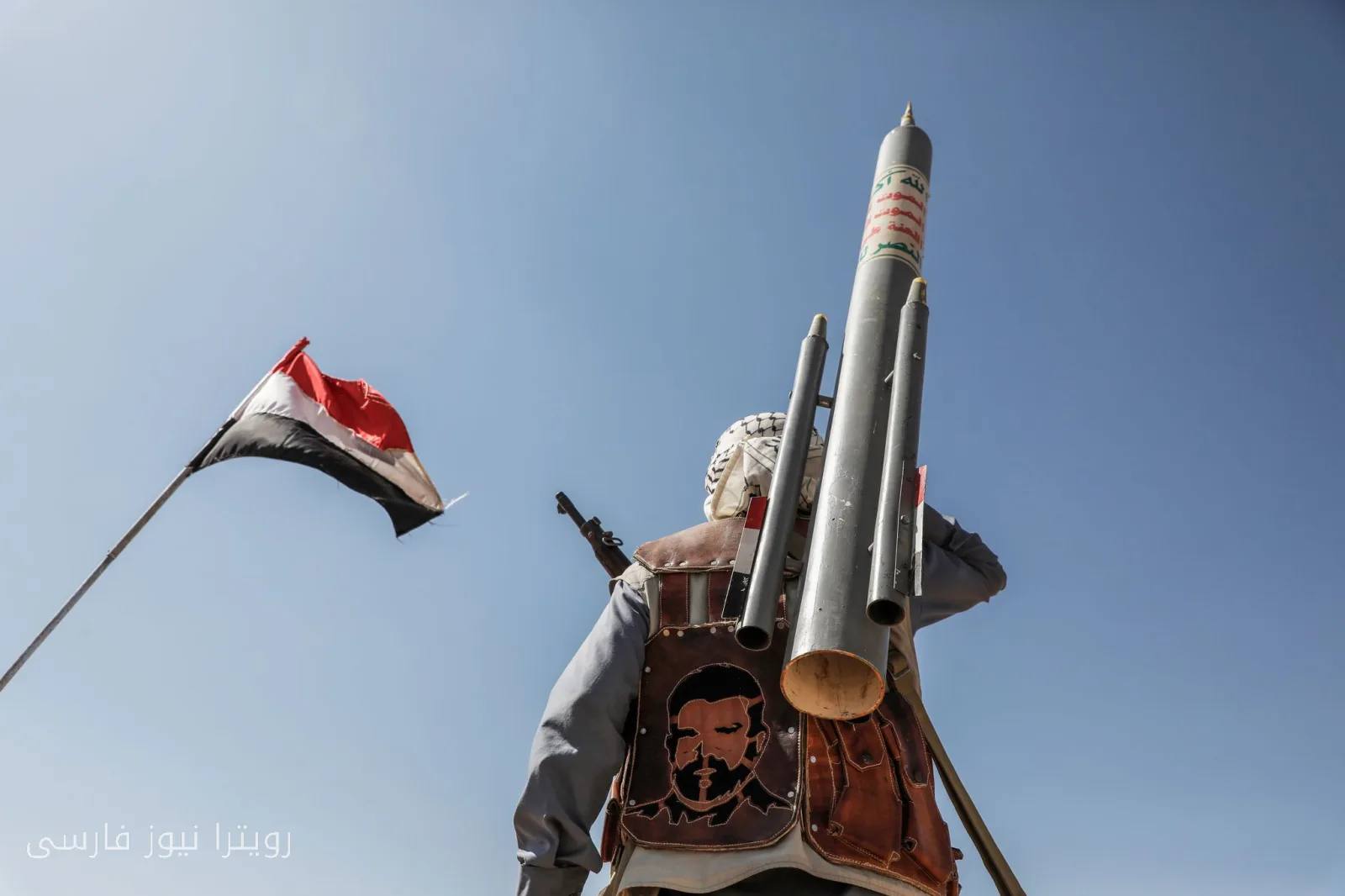
Qatar announced that an unofficial closure of the Bab el-Mandeb Strait could lead to a global catastrophe. This strait, which separates Yemen from the Horn of Africa, is currently under the control of Iran-backed Houthis, and this situation has raised significant international concerns.
Consequences of Closing the Strait
A spokesperson for the Qatari Ministry of Foreign Affairs noted on Tuesday: "The world is already suffering enough from the closure of the Strait of Hormuz and cannot allow the maritime route through Bab el-Mandeb to also become impassable." He added: "This situation would be catastrophic for the entire world." According to this Qatari official, the blockage of international maritime routes should not become a "new norm."
Read more: Violence Against Rainmakers in Uganda and South Sudan Due to Climate Change
Recent Developments in Yemen
In the past week, the Houthis have advanced towards the southern shores of Yemen and now control the coastal cities of Mokha, Dhubab, and several islands in the Red Sea. From these points, this terrorist group is in a position to more effectively attack commercial vessels. The closure of this strait could have negative impacts on global trade and energy supply security in the region.
The Bab el-Mandeb Strait, also known as the "Gate of Tears," connects the Red Sea to the Gulf of Aden and is located on the shortest transport route between Europe and Asia. Under normal conditions, about 10 percent of global maritime trade and 30 percent of the world's container traffic passes through this strait.
Maritime traffic through this strait has significantly decreased in 2023, as the Houthis continue to attack ships. Many shipping companies have been forced to choose a longer and more expensive route around the Cape of Good Hope along the southern African coast due to these threats.
Saudi Arabia, the world's largest oil exporter, is trying to send part of its oil through the Red Sea, as it has had to change its route due to the closure of the Strait of Hormuz. In this regard, Mohammed bin Salman, the Crown Prince of Saudi Arabia, has also discussed this issue with Abdel Fattah el-Sisi, the President of Egypt, during his visit to Cairo.
Egyptian sources reported that the two leaders agreed that freedom of navigation should not be threatened. Egypt, like Saudi Arabia, has long coastlines along the Red Sea, and any disruption in this area could severely impact the security and economy of the country.