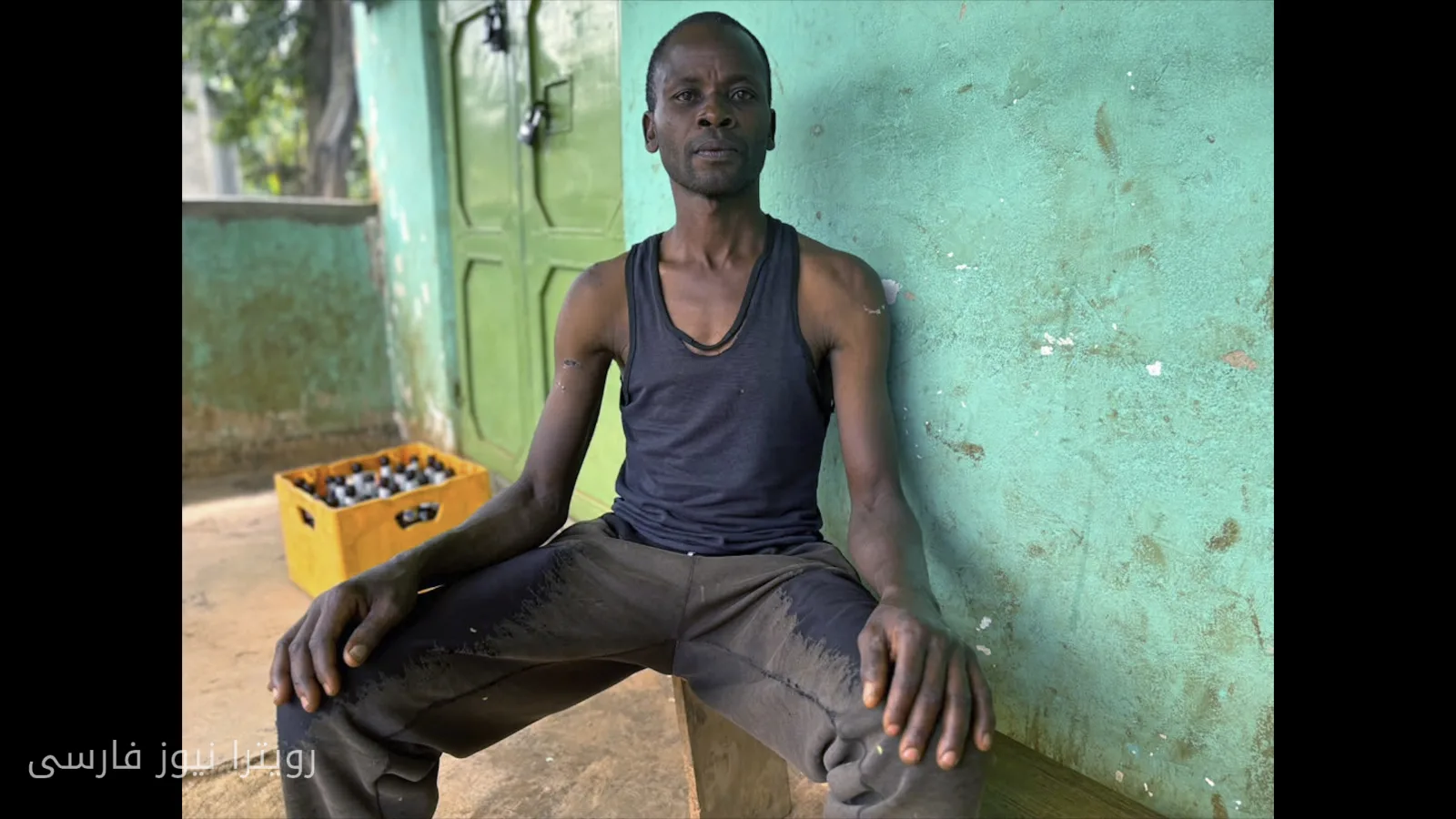
Rainmakers in Uganda and South Sudan are facing violence and widespread attacks due to climate change and farmers' high expectations. David Nabatsileli, one of Uganda's famous rainmakers, has a bitter experience of this reality. He was attacked by farmers because of heavy rainfall that caused flooding in the fields, and after falling on a rock, he suffered a broken bone.
Challenges of Rainmakers Against Farmers' Expectations
Rainmakers are recognized as spiritual leaders in their communities, and it is their duty to perform rituals to ask the gods for rain. However, their successes sometimes create unrealistic expectations among farmers. Nabatsileli says, "People beat us because sometimes it rains too much or it doesn't rain at all." These pressures, especially during dry periods, severely affect rainmakers and can even lead to their murder.
Worrying Statistics and Realities
In the past two years, at least two rainmakers have been killed in South Sudan. In 2024, Salomon Oture was buried alive due to drought in a remote village. Such violence has increased due to hunger and the death of livestock caused by drought. Madelina Tito, a relative of one of the victims, says, "They decided to kill him because they believed he was unable to command the rain."
Research shows that the average rainy days in the Kapota area, which is close to the birthplace of Lubilia, has decreased from 90 days in the 1980s to 46 days in the mid-2010s. The rains that do occur are often sudden and severe, and these changes have led farmers to blame rainmakers for their problems.
Violence against rainmakers is on the rise. Matthew Oromo, a local official, says, "The situation is getting worse every day. People are not aware of climate change and do not know what is happening." While rainmakers in Uganda have not been killed, some have been attacked and even reported to authorities.
Nabatsileli has been working as a rainmaker since the age of 14 and is recognized as one of the trusted rainmakers in his village. Despite numerous challenges, he continues his efforts and says, "In life, there are always things that fail, but that does not mean stopping the effort."
Farmers usually pay a fee for the services of rainmakers, which can range from $13 to $260. These payments fuel the violence that rainmakers face, especially when they cannot meet farmers' expectations.
Read more: Death of a 30-year-old woman after falling from a famous rock during a trip · FAO is taking action to address the food security crisis in Africa