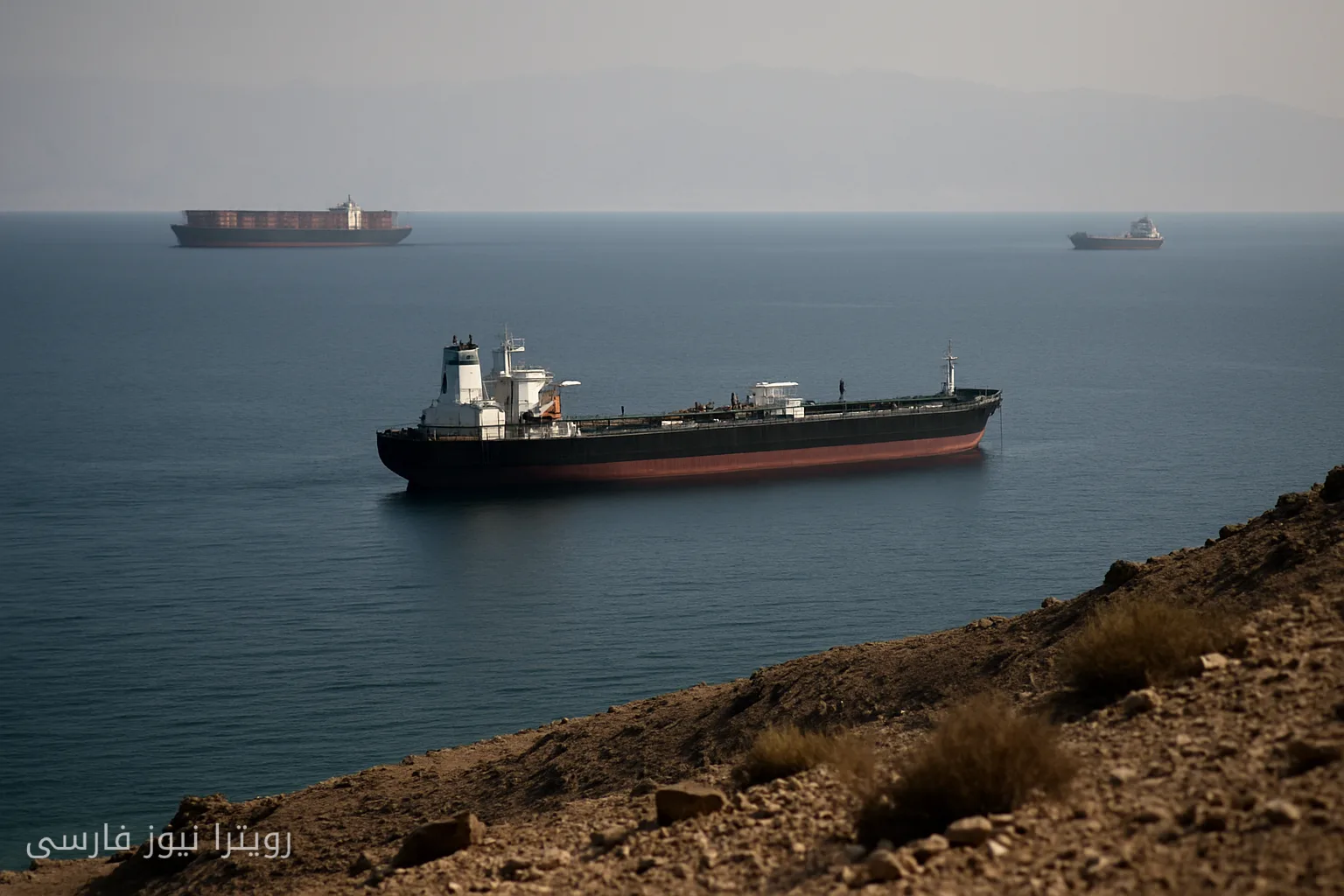
In recent days, the Strait of Hormuz, one of the most important maritime transport hubs in the world, has witnessed a significant reduction in maritime traffic. This situation arose after Iranian officials threatened to respond to recent U.S. attacks in the region.
Reactions to Iran's Threats
Iran's recent threats regarding retaliation against U.S. attacks have raised serious concerns among countries and companies active in the energy industry. The Strait of Hormuz, through which about 20 percent of the world's oil passes, has now become a high-risk area, and ships are exercising more caution.
Analysts believe that this decrease in traffic could lead to an increase in oil prices and put pressure on global markets. This is occurring while various countries are seeking to meet their energy needs, and any disruption in the Strait of Hormuz could have serious consequences for the global economy.
The Future of the Strait of Hormuz
While the Strait of Hormuz has always been recognized as a vital passage for the transport of oil and gas, the current conditions indicate rising tensions in the region. Given Iran's threats and U.S. responses, it seems that this situation could escalate into a larger crisis.
Many experts believe that diplomacy is the only available solution to prevent the escalation of tensions and restore calm in this region. Otherwise, not only Iran but the entire global energy market will face serious challenges.