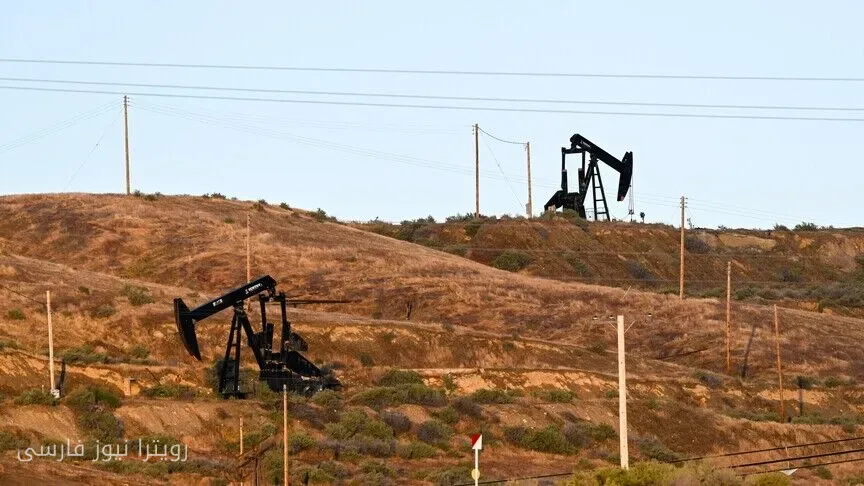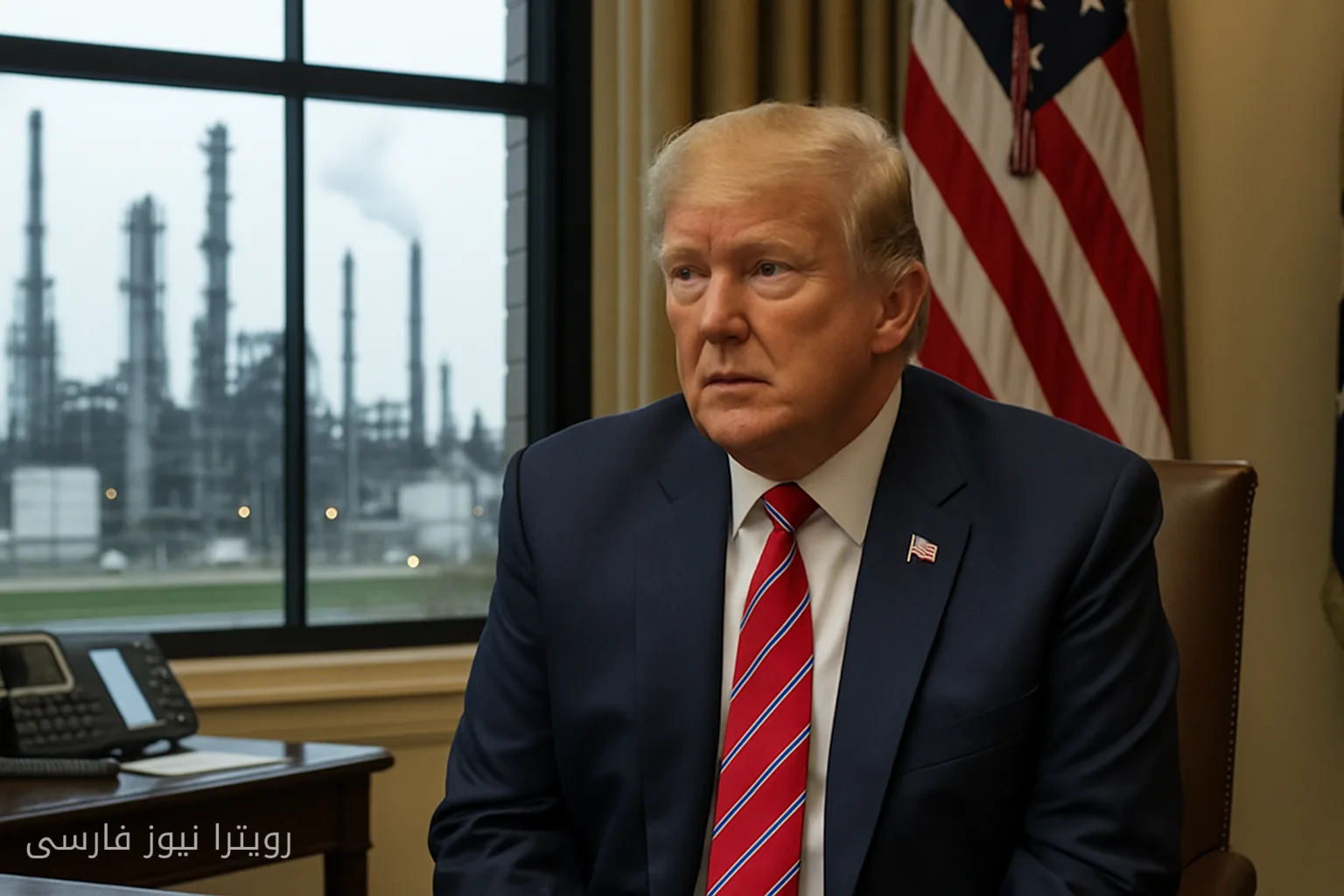
The United States government led by Donald Trump is considering an option that would allow it to hold Iranian oil similar to its approach towards Venezuela. These statements have been made at a time when negotiations between Gulf countries and Iran regarding Hormuz issues have stalled.
Background of the Negotiations
Iranian oil has faced the harshest sanctions in recent years, and it seems that the Trump administration is looking for ways to exploit these resources without violating the sanctions. Trump has referenced the revenues from agreements with Venezuela, stating that these revenues "have repeatedly covered the costs of war." These remarks indicate a shift in the United States' approach to energy resources in the region.
Read more: Oil prices rise after attack on key Saudi pipeline
Economic Consequences
If the United States adopts this policy, it could have significant economic consequences for the oil market and oil-producing countries. Additionally, this action could escalate tensions in the Gulf and provoke negative reactions from Iran and other countries in the region. Analyses suggest that such actions could impact global oil markets due to a lack of transparency in oil transactions and concerns over political repercussions.
Analysts believe that holding Iranian oil under U.S. supervision could be seen as a temporary solution to alleviate economic pressure on the global market. However, this approach will also come with many legal and political challenges.
Read more: Oil prices rise after shutdown of vital Saudi pipeline · Oil prices rise after Trump's controversial remarks about Iran