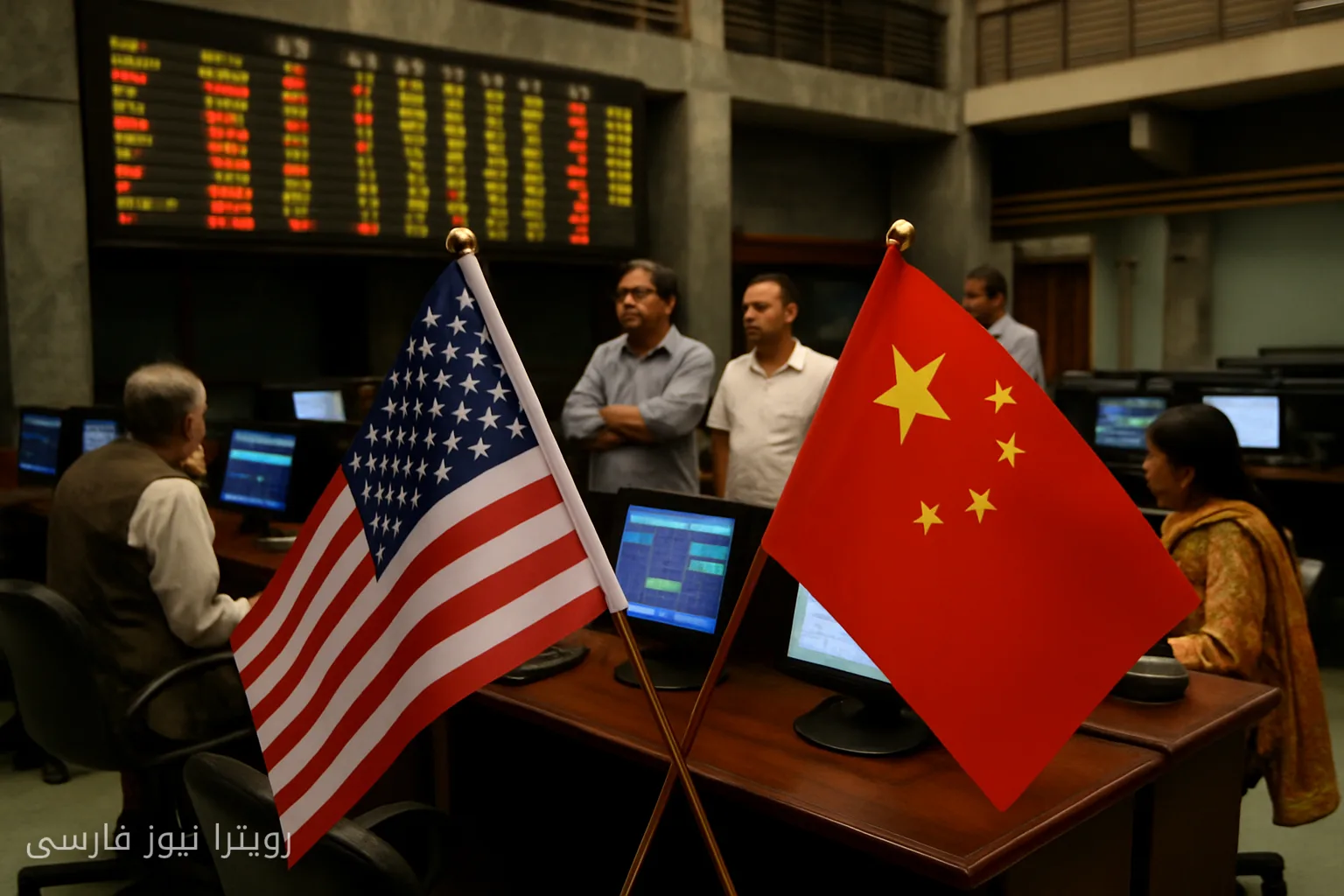
South Asia, as a strategic region, faces serious challenges arising from the escalating competition between the United States and China. This competition affects not only economic and military policies but also the political and diplomatic relations of the countries in this region.
US-China Competition
The United States is increasingly viewing South Asia through the lens of competition with China. Analysts believe that if China gains more influence in this region, the United States will significantly diminish its position in this arena. In this context, South Asian countries must carefully monitor the movements and policies of the two major global powers while seeking to protect their national interests.
Read more: US Postal Service CEO announced willingness to resign
Concerns of South Asian Countries
South Asian countries are looking for ways to avoid the negative impacts of this competition. Many of these countries wish to act as a bridge between the United States and China, thereby securing their economic and political interests. These countries seek to create balance in their foreign relations to maximize their benefits.
In this regard, some countries like India and Bangladesh are looking to strengthen their ties with the United States while simultaneously maintaining their relations with China. This approach could help South Asian countries avoid the negative consequences of the competition between these two major global powers.
Economic and Political Consequences
The consequences of this competition for South Asian countries can manifest in various ways. On one hand, this competition can create new opportunities for investment and economic cooperation. On the other hand, increasing tensions may lead to political and economic instability in the region.
Overall, South Asian countries are striving to adopt balanced policies to prevent crises arising from great power rivalries while continuing their economic growth and development.
Read more: JD Vance urged voters to give Republicans another chance · US Congress authorized an increase in tariffs on Russian oil