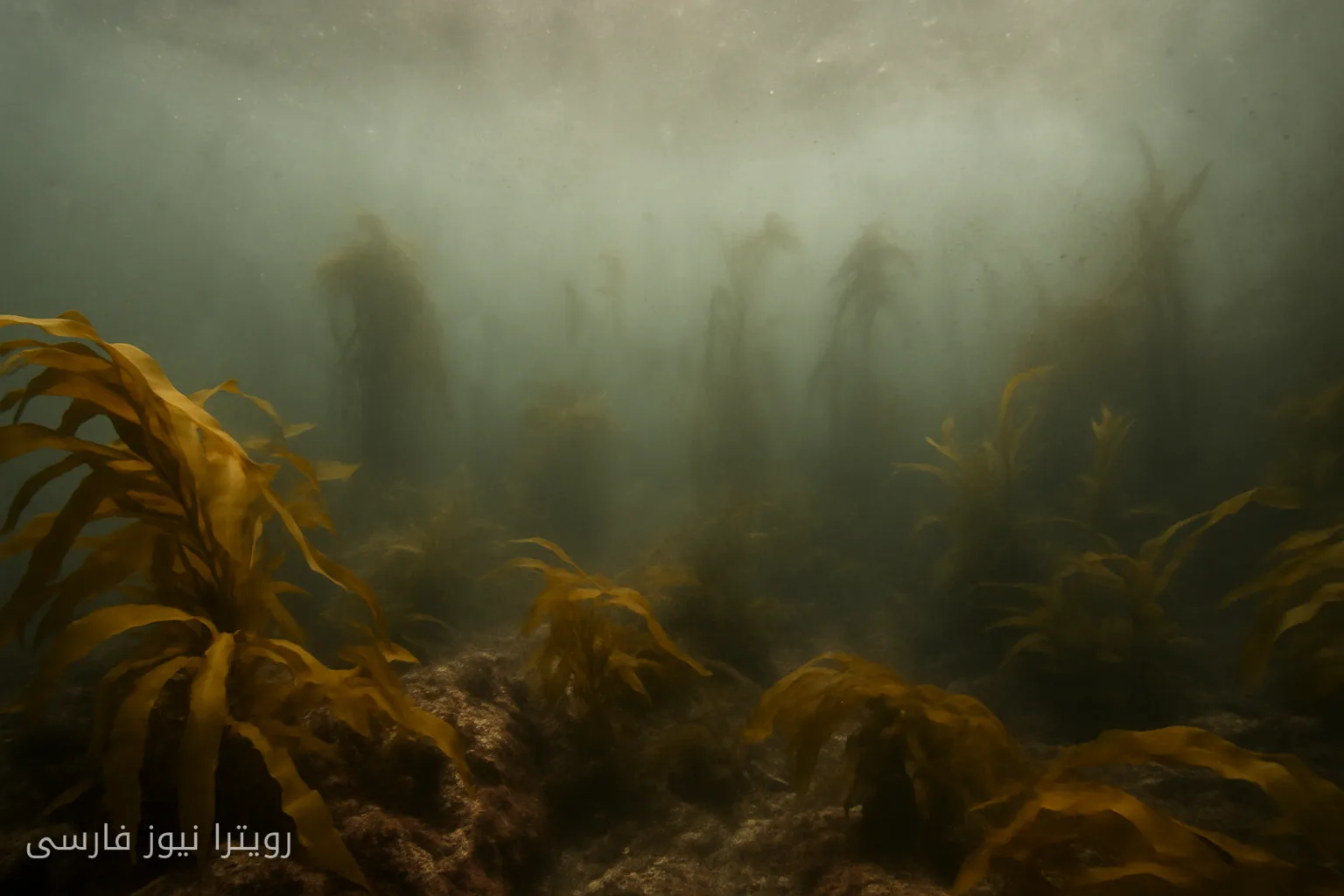
Climate change is recognized as a serious threat to marine ecosystems, especially algal forests. According to new reports, it is expected that by 2050, approximately 25 million hectares of these valuable forests will be destroyed due to climate change. This trend not only threatens biodiversity but could also pose serious challenges to our efforts to reduce carbon dioxide.
What is Causing the Decline of Algae?
Algal forests, recognized as one of the most important marine ecosystems, play a vital role in absorbing carbon dioxide and producing oxygen. However, climate change, including rising temperatures and ocean acidification, has severely impacted these ecosystems. These factors have led to a drastic decline in algae populations and consequently weakened marine habitats.
Consequences of the Destruction of Algal Forests
With the destruction of these forests, in addition to the loss of biodiversity, the natural capabilities for carbon reduction are also significantly diminished. Many marine species, including fish and other sea creatures, depend on algal forests for shelter and food. Therefore, the destruction of these habitats could create a chain of problems in marine ecosystems.
Current efforts to restore algal forests seem increasingly inadequate. Given the pace of climate change, there is a strong need for immediate and effective action. Although some countries are investing in restoration projects, these efforts alone cannot halt this trend.
Ultimately, the future of algal forests depends on collective and international actions to combat climate change. If the global community fails to act swiftly and effectively, a dark future awaits these vital ecosystems.