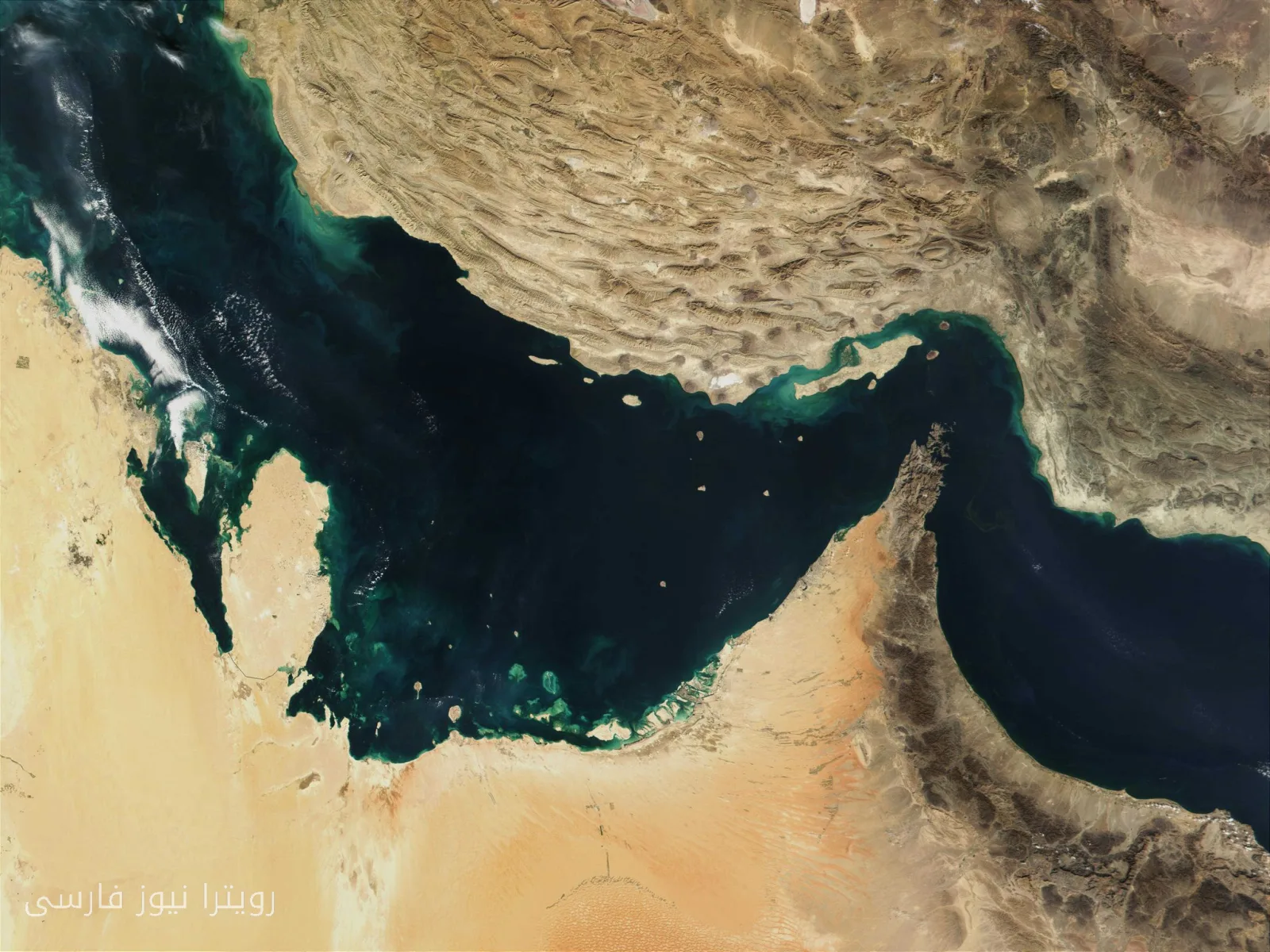
The recent Greenpeace report indicates that five large oil patches have been identified in the Strait of Hormuz. This assessment, published on Monday, reflects growing concerns about environmental pollution in this sensitive region.
Pollution Reaching the Shores of Iran and Qeshm Island
According to information from Greenpeace Germany, the oil pollution has reached the shores of Iran near the protected areas around Qeshm Island. Qeshm Island is of high importance due to its large mangrove forests and diverse ecosystems. Additionally, one of the oil patches is also visible on the Oman side of the Strait of Hormuz, which is recognized as an important area for bird resting.
Read more: The Risks of Zero Carbon Dairy Restrictions for Producers and Consumers
Possibility of Oil Leak from Tanker Riesco
Greenpeace has also stated that the oil patches in this area may originate from the tanker Riesco. The organization has pointed out that this ship may have sunk and is still leaking oil. The U.S. Navy announced last week that it had attacked the tanker Riesco and other tankers associated with Iran. However, linking the pollution to specific attacks on ships in this area is often difficult, partly due to limitations in transponder data.
Additionally, other oil patches have also been observed spreading along the southern shores of Oman. The tanker Caroline Bezengi, which is linked to Russia's shadow fleet and is under EU sanctions, has run aground there.
Spread of Pollution and Contributing Factors
In its report dated September 11, Greenpeace noted that the visible area of pollution is estimated to be about 400 square kilometers and increased to approximately 600 square kilometers by September 12. The reasons for the spread of this pollution are still unclear and may include further damage to the ship as well as changes in weather and sea conditions.
This situation not only has potential environmental impacts on local ecosystems but could also negatively affect the economic activities and livelihoods of indigenous residents. For this reason, monitoring and immediate action to control this pollution in the area is essential.
Read more: The Trump Administration Revoked Biden-Era Environmental Requirements · Rising Oil Prices Intensify Inflationary Pressures in Federal Week