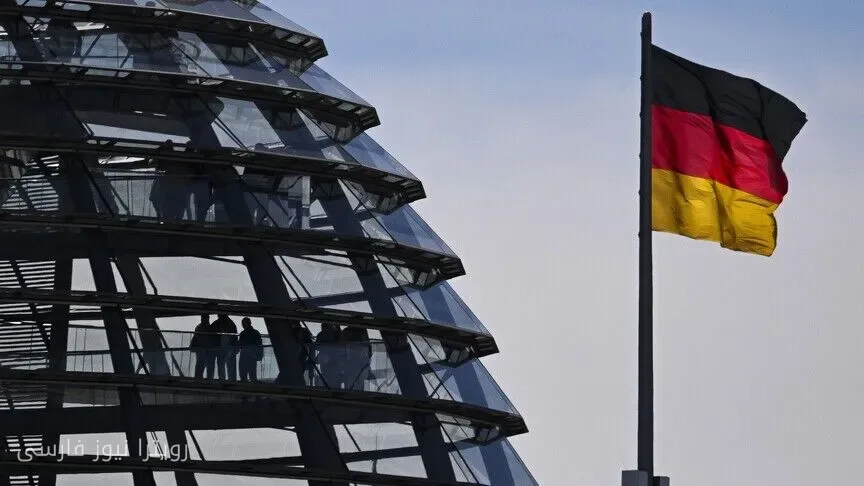
Germany witnessed an increase in economic sentiment in September 2023. According to the results of an official survey, the ZEW economic sentiment index for the country rose by 0.5 points to 34.7 points. This increase indicates stability in economic expectations among financial experts.
Improvement in Current Economic Situation
The assessment of the current state of the German economy experienced significant improvement this month, rising by 14 points compared to the previous month to reach negative 47.1 points. These changes reflect a more positive outlook from experts regarding the current economic conditions in the country.
Read more: Ranking of the Most Indebted Economies in the World: Luxembourg, Hong Kong, and Japan at the Top
Factors Affecting Economic Sentiment
Achim Wambach, head of ZEW, stated that financial experts are cautiously optimistic about economic recovery. This optimism is mainly driven by government financial measures and a boom in exports. However, Wambach warned that high energy prices, which persist due to the ongoing war in Iran and uncertainty stemming from hybrid attacks, remain significant threats to the economy.
Performance of Various Economic Sectors
The performance of various economic sectors in Germany in September displayed a heterogeneous picture. The insurance sector benefited from rising interest rates, increasing by 12.1 points to reach 46.4 points. Additionally, the banking industry also achieved an increase of 8.2 points compared to August, reaching 52.9 points.
In contrast, the steel and metals industries, as well as the automotive sector, remain in negative territory, facing scores of negative 16.7 and negative 22.6, respectively. This underperformance in these sectors could lead to instability in the overall economy of the country.
Economic Expectations in the Eurozone
On a broader level, economic expectations for the Eurozone also experienced a decrease of 5.6 points compared to the previous month, reaching 25.8 points. Meanwhile, the index for the Eurozone's current situation rose by 7.6 points to negative 13.9 points in September.
Overall, the published data presents a complex picture of the economic situation in Germany and the Eurozone. While some sectors show improvement, serious challenges such as energy prices and instability in certain industries still exist, which could impact the economic growth trajectory.