NATO on Wednesday rejected the Russian intelligence service's claim that the alliance doubts Germany's findings regarding a drone filled with explosives at Leipzig Airport. NATO officials stated that Russia's claim is "baseless."
NATO's Response to Russia's Claim
A NATO official told the media: "The Russian intelligence service's claim that NATO has found no evidence of Russia's involvement in the drone incident in Leipzig is a tool for deception." The official emphasized that NATO intelligence experts, like their German counterparts, concluded that Russia was responsible for this hybrid attack on August 4.
Read more: Russian Parliamentary Elections and the Presence of War Candidates from Ukraine
He added: "Russia has a clear history of trying to destabilize allied countries and attempting to deter us from supporting Ukraine." The official described Russia's behavior as "dangerous and reckless" and emphasized that NATO will not withdraw its support for Ukraine.
Details of the Leipzig Incident
The Russian foreign intelligence service had previously claimed in a message posted on social media that NATO's information shows no evidence of Russia's involvement in the Leipzig incident, instead pointing to a "Ukrainian link." This claim also suggested that Berlin is deliberately blaming Russia to justify the substantial military costs of rearmament in 2027.
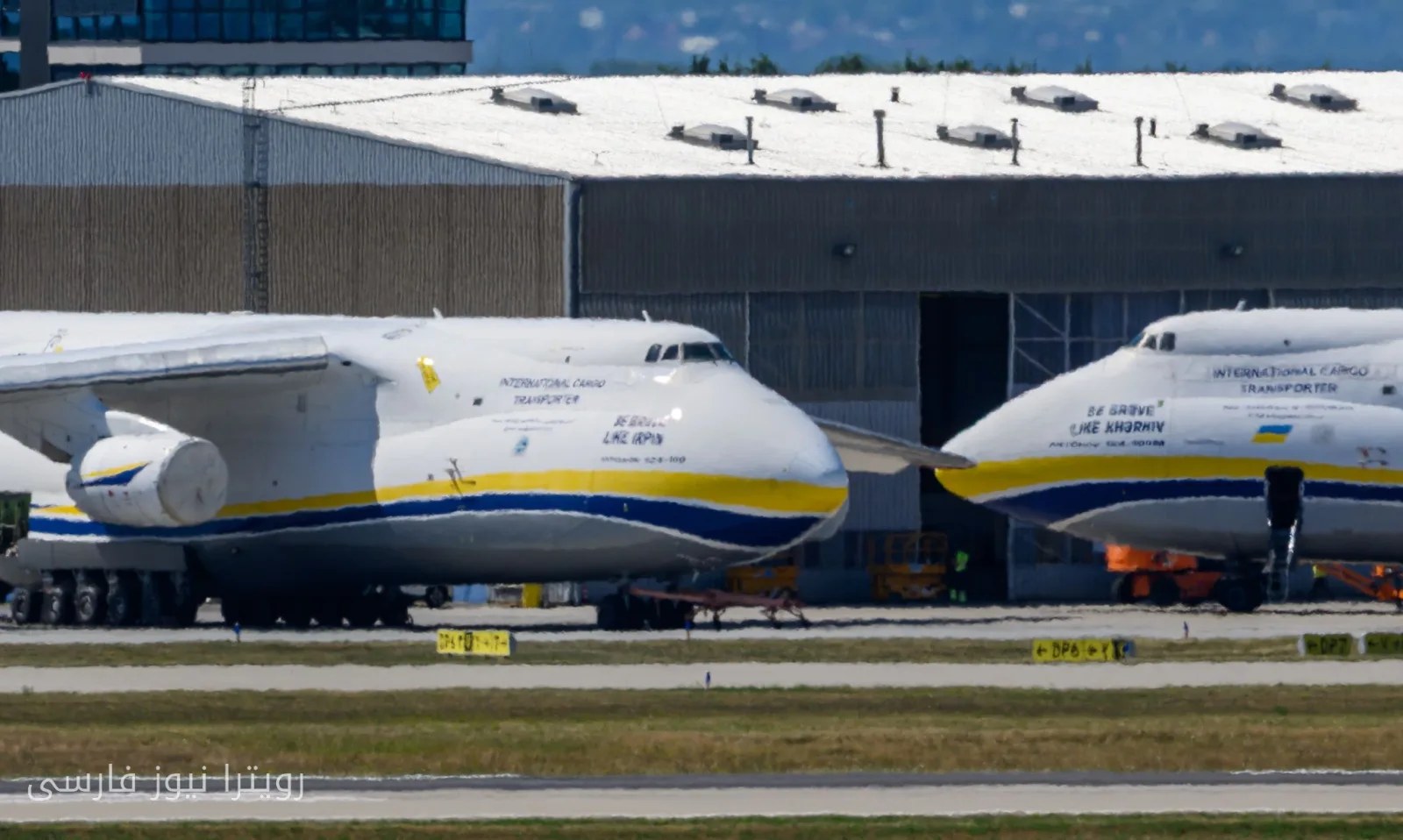
The drone equipped with explosives was discovered on the evening of August 4 in the secure area of Leipzig/Halle Airport, near a Ukrainian Antonov An-124 cargo plane. The German government believes this incident was an unsuccessful attack by Russia.
Following this incident, tensions between NATO and Russia have increased, and the NATO military alliance has reiterated its commitment to strengthening defense and intelligence cooperation with member countries. These developments are particularly significant given the ongoing war in Ukraine.
Read more: India Summons Senior Pakistani Diplomat Over Maritime Incident · U.S. House of Representatives is Approving a Bill for Extensive Sanctions Against Russia Named After Lindsey Graham