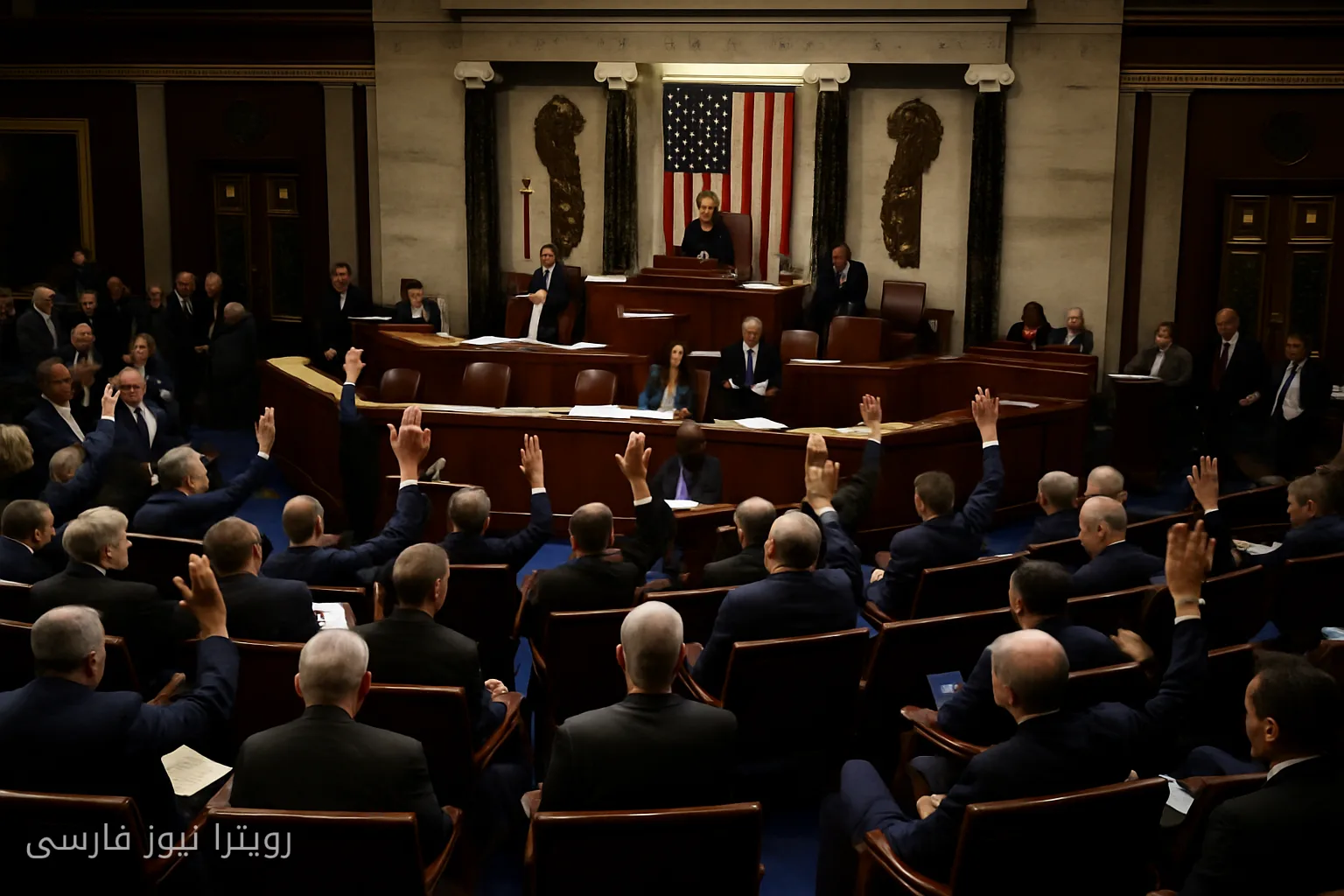
The U.S. House of Representatives is preparing to vote on a bill that will impose extensive sanctions against Russia. This bill is known as Lindsey Graham, named after the Republican senator from South Carolina, and its aim is to enhance anti-Russian actions and support for Ukraine.
Details of the Sanctions Bill
The Lindsey Graham sanctions bill includes a range of economic and diplomatic measures aimed at limiting Russia's capabilities on the international stage. These sanctions include restrictions on the export and import of specific goods, freezing assets related to the Russian government, and prohibiting investment in energy projects in the country.
Additionally, this bill specifically refers to support for Ukraine, providing the government of that country with increased financial and military assistance. These measures are seen as a response to Russia's military attacks on Ukraine and the rising tensions in the region.
Market Reactions and Analyses
Following the announcement of this bill, financial markets were significantly affected. Investors are looking for political and economic reactions from Russia. Some analysts believe that the passage of this bill could lead to increased instability in energy markets, especially given Europe's dependence on Russian energy.
At the same time, others believe that these sanctions could benefit Western markets, as European countries will seek alternative energy sources. This shift in energy supply may lead to increased competition in global markets.
The sanctions bill, after being passed in the House of Representatives, must also be approved by the U.S. Senate. This process is expected to happen quickly, as political parties in the U.S. generally support strengthening measures that help secure Ukraine.
Ultimately, the passage of this bill could be seen as a turning point in U.S. foreign policy towards Russia. This action demonstrates Washington's determination to confront external threats and support its allies.