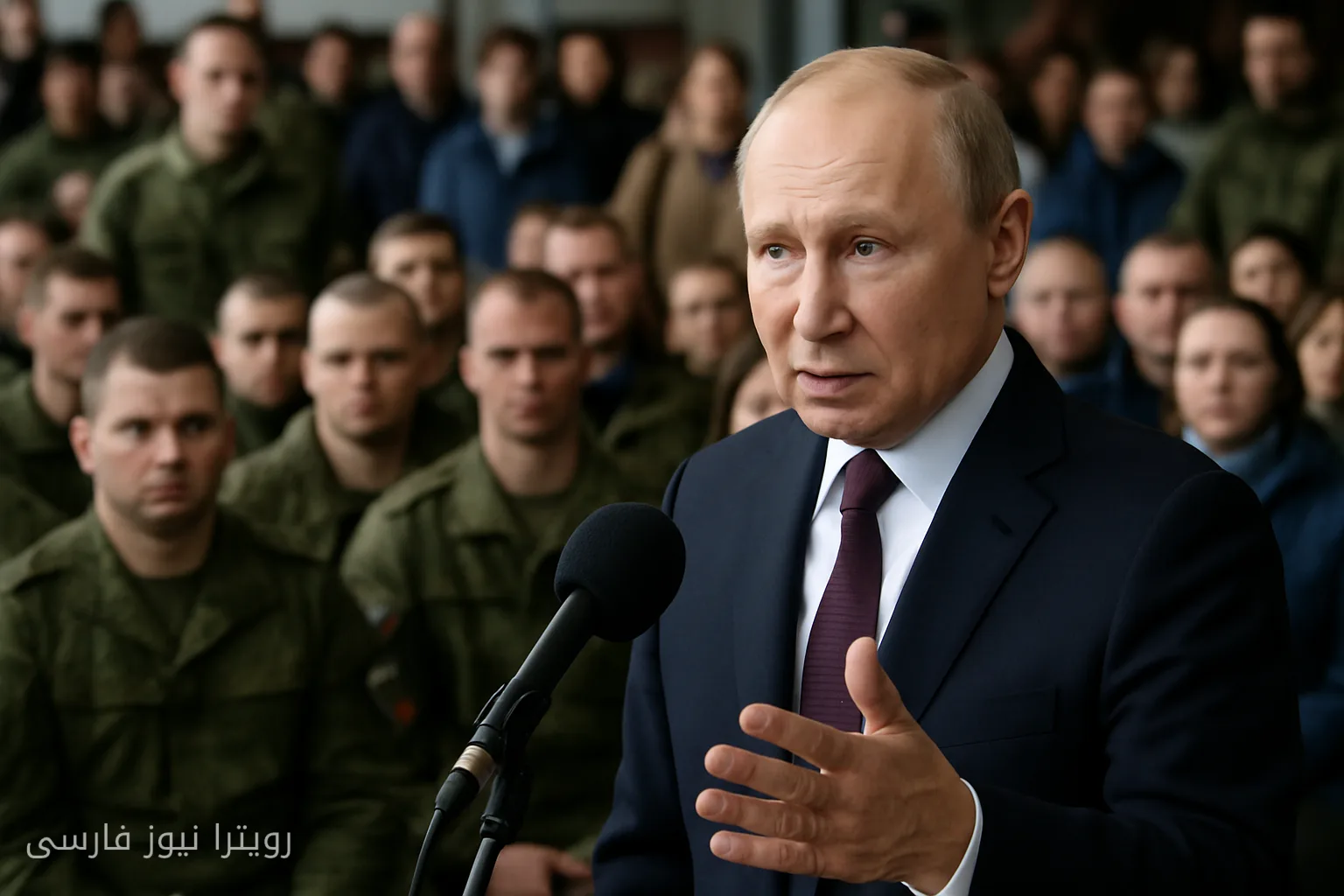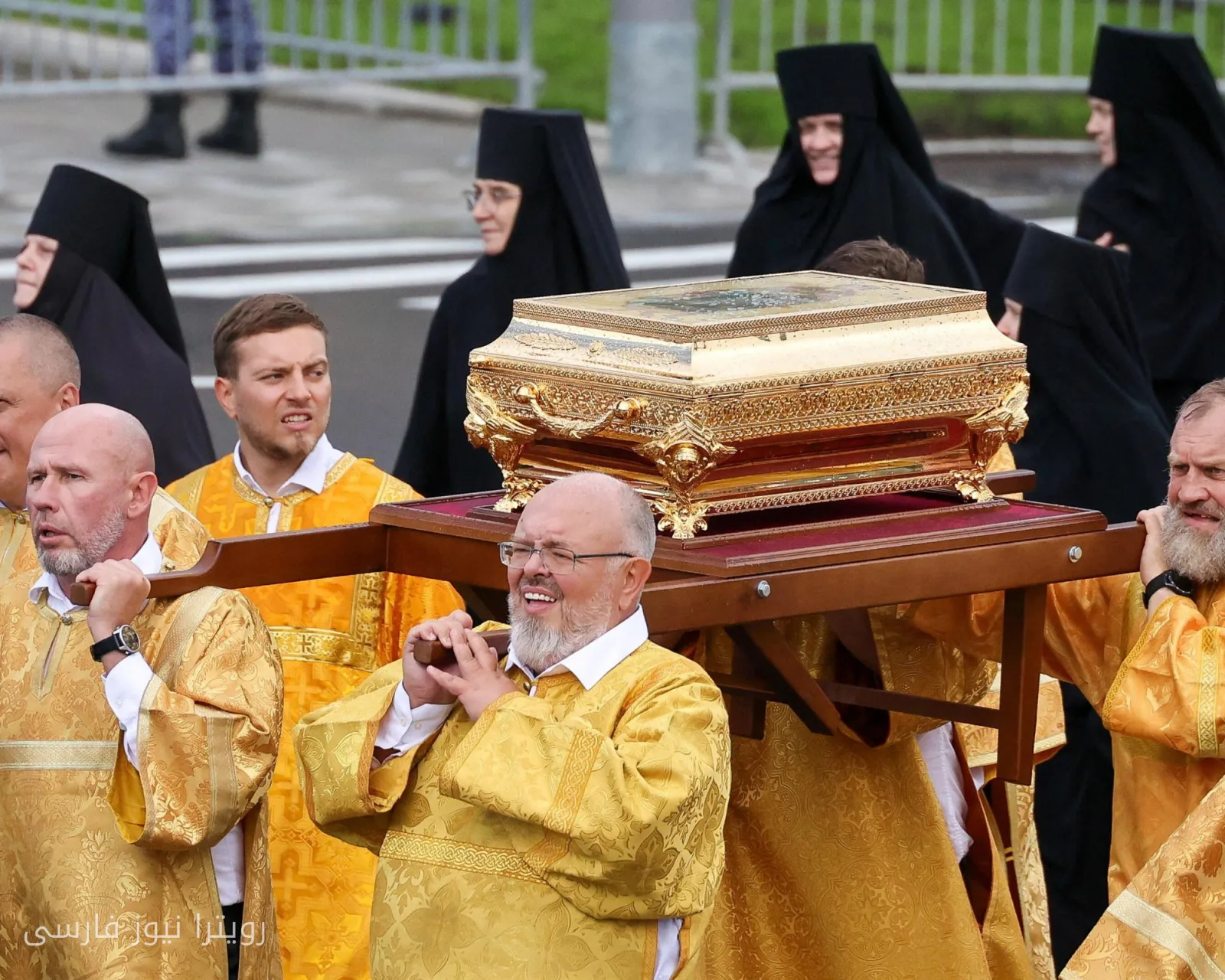
In a controversial move, the Russian Orthodox Church has sent part of the remains of a 14th-century warrior prince, namely Dmitry Donskoy, to the battlefronts in Ukraine. This action aims to boost the morale of the soldiers and help them achieve victory in the war.
History of Dmitry Donskoy
Dmitry Donskoy is recognized as a national hero in Russian history, having triumphed in a famous battle against the Mongolian Golden Horde in 1380. This victory is seen as a symbol of the resistance and bravery of the Russian people against foreign invasions.
The church has announced that this piece of Dmitry's right hand is housed in a reliquary and has been transferred to the front lines to "strengthen the spirit" of the Russian soldiers. According to officials, this action symbolizes the deep connection between religion and patriotism in Russian culture.
Consequences of This Action
This decision has received mixed reactions not only in Russia but also internationally. Some view it as a sign of the militarization of religion and the instrumental use of history and culture to justify military actions. Meanwhile, others see it as a sign of national unity and fighting spirit that could enhance the motivation of soldiers in the battlefield.
With the sending of these remains to the front, many questions have arisen about the relationship between religion and politics in Russia. Can this action truly bring about "victory" in a literal sense, or is it merely a media spectacle to boost morale?