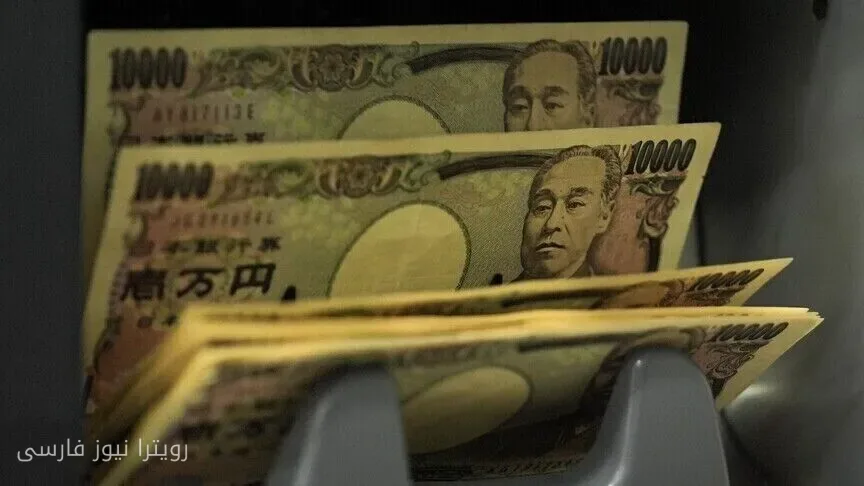
The Japanese yen (JPY) has fallen to nearly 158 against the US dollar following the Bank of Japan's (BoJ) increase of the key interest rate to 1.25%. This drop in the exchange rate has heightened concerns about the effects of this decision on the Japanese economy and the central bank's willingness to continue this trend.
Details of the Interest Rate Hike
The Bank of Japan, in its recent meeting, raised the target interest rate by 0.25%, bringing it to 1.25%, the highest level in 31 years. This action was taken to combat inflation and prevent it from rising excessively. Kazuo Ueda, the Governor of the Bank of Japan, has indicated the possibility of further rate hikes in the future and emphasized the importance of keeping inflation below the 2% target.
Read more: Japan and the US Seek to Build a $19 Billion Chip Factory in the US
Market Reaction to Central Bank Decisions
However, the 7-2 vote among the members of the central bank's policy board has raised concerns about the bank's willingness to continue the rate hike trend. This has led to a 1.3% drop in the yen and created instability in the currency market. The JPY/USD exchange rate has currently reached 157, while it was around 153 last week.
These changes in monetary policy indicate a continued shift by the bank away from the ultra-loose policies that began after the end of negative interest rate policy in March 2024. Market participants are closely monitoring these developments to assess their impact on Japan's economic and financial situation.
Read more: The Director-General of the World Trade Organization Warns of a Serious Crisis in Global Trade · Trump's Comments on Interest Rate Hikes Draw Attention to the Independence of the Federal Reserve